Last Update: Jul 2026, 7-April-2026 news, Dec-2025 Sleep News.
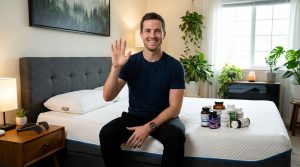
I’m Alex Warenstein, and I built Night Time Comfort because I’ve lived through the specific despair of lying awake unable to fall asleep, only to jolt awake again at 4:00 AM. I know the helplessness of facing year-long waiting lists for sleep specialists, or finding that treatment is simply inaccessible due to insurance gaps or location. Forced to find my own answers, I immersed myself in sleep biohacking — studying everything from sleep hygiene and pre-bed nutrition to the impact of glucose spikes and cortisol.
This site is the result of my relentless personal research. I constantly monitor PubMed, analyze deep discussions on sleep and apnea forums, and track emerging trends on Reddit to keep my protocols up to date. I personally buy and test the gadgets I review, and I continuously track and publish updates on supplement safety, new dosage guidelines, and mechanisms of action.
I offer protocols to help you understand the source of your struggle in the comfort of your own home. A key starting point is Sleep Onset vs. Maintenance Insomnia: Identifying Your Type. While I provide detailed information on biohacking your sleep, choosing the right mattress, and navigating supplements that may help you sleep faster and stay asleep, I also provide the roadmap to understand if you have a serious clinical condition.
If you suspect Apnea or UARS, you must eventually see a doctor, as home apnea tests have limitations. But while you wait for your appointment, I provide a methodology to try and verify this in home conditions, giving you the tools to understand your data.
The Foundation: Hygiene, Light, and Diet
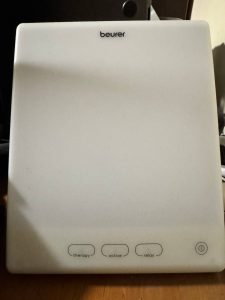
Before you buy a single gadget, you must stabilize your biology. Most sleep issues begin with a broken routine. I start with the Sleep Hygiene Checklist, breaking down the non-negotiables of temperature and timing. But hygiene is more than just “going to bed early.” It is about anchoring your circadian rhythm. I explore the Morning Sunlight protocol (popularized by Dr. Huberman) and how using a Beurer TL45 therapy lamp can reset your body clock. I also test if Blue Light Blocking Glasses really protect your melatonin production or if they are just a gimmick.
I address the modern killers of rhythm: Social Jetlag (why sleeping in on weekends ruins your Monday) and provide a Shift Work Survival Guide for those who must sleep against their biological clock.
The Chemistry of Wakefulness
What you consume dictates how you sleep. I analyze the Caffeine Half-Life Calculator to show why coffee prevents your brain from entering deep sleep. I also tackle the “nightcap” myth in our Alcohol and sleep analysis, explaining why wine destroys your REM cycle.
I dive into the glymphatic system – your brain’s nightly detox process – and how to optimize it to avoid morning brain fog and severe sleep inertia. If you need a midday boost, I teach you the art of the Nappuccino to recharge without ruining your nightly rest.
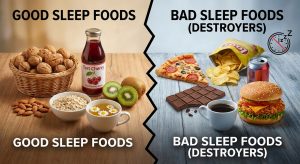
Diet plays a massive role in whether you wake up in the middle of the night. I identify The Anti-Sleep Diet—specifically sugar before bed and foods that kill sleep, which trigger insulin spikes and subsequent cortisol rushes. Conversely, I guide you toward the Best Bedtime Snacks that stabilize your glucose and provide the raw materials for serotonin.
The Hidden Wake-Up Calls
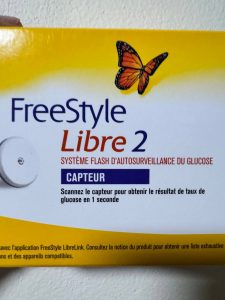
If you wake up with a racing heart, it might be Nocturnal Hypoglycemia. I discuss how to use tools like the Freestyle Libre 3 to detect if a sugar crash is triggering an adrenaline spike at 3 AM. (CGM and Sleep, Explained)
I also investigate Silent Reflux (LPR). Unlike standard heartburn, this “silent” acid rises without the burn, irritating your airways while you sleep and causing unexplained micro-awakenings or coughing fits.
If you are waking up to use the bathroom, this is Sleep Nocturia. It isn’t always just “drinking too much water.” I explore **Stop Waking Up to Pee**, covering how salt, sugar-free candies, and even acidic foods impact your bladder, and why you should check your prostate health after 50.
If you wake up at night due to strange sensations in your legs, you may have Restless Legs Syndrome. My guide will help you identify this condition and advise you on how to proceed.
Ergonomics and Environment
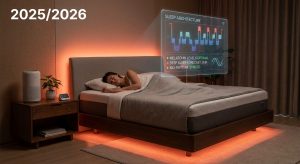
Sometimes, the problem is physical. If you wake up with a numb arm or a stiff neck, your gear is failing you.
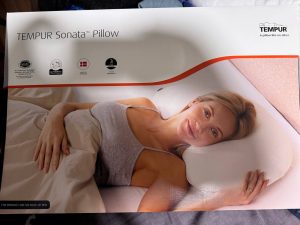
I provide a detailed Pillow Height Guide and specific Sleeping Positions for Back Pain to help align your spine. I share my personal journey testing the Cloudpilo, the Tempur Sonata, the Tempur Ombracio, and the Blackroll Recovery Pillow to solve shoulder pain.
I also dive into Mattress Firmness and whether a Tempur Mattress or a simple Mattress Topper can resolve pressure points causing dead arm numbness.
I look beyond just the mattress, testing whether Weighted Blankets can calm anxiety via deep pressure stimulation, or if Cooling Duvets are the solution for night sweats. I even investigate the science (and skepticism) behind Grounding Sheets.
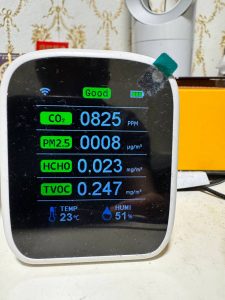
Your environment matters too. Is your room toxic? Poor Bedroom Air Quality (specifically high CO2 levels) can cause morning headaches and grogginess.
I compare different noise-masking solutions. I test hardware like the Anker Soundcore Sleep A30 earbuds and the Loop Quiet 2 plugs to see which blocks snoring partners best.
If you prefer audio therapy, I review digital sleeping pills – apps and soundscapes designed to seduce your brain into slumber. For those who need a sensory trigger to relax, I also test if a Sleep Balm Stick applied under the nose can act as a Pavlovian cue for sleep.
I also compare Pink Noise vs. White Noise to see which sound frequency best masks disturbances and promotes deep rest.
The Toolkit: Gadgets and Analysis
How do you know what’s happening when you are unconscious?
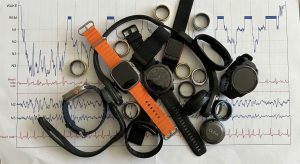
I review the latest tech, helping you understand How Much Deep Sleep Do You Need? based on your age. I guide you on Deep Sleep vs. REM and how to read a Hypnogram so you aren’t confused by your data.
I provide in-depth reviews of general trackers like the Apple Watch Sleep Tracking capabilities, the new Samsung Galaxy Ring, the Oura Ring Gen 4, Withings Sleep Analyzer, and the subscription-based Whoop 4.0. However, I also warn against orthosomnia – the anxiety caused by obsessing over your sleep scores—and how to track without stressing out.
For those interested in neuro-feedback, I discuss the Muse S Athena (and my personal disappointment with its signal quality) and professional-grade alternatives like the Hypnodyne ZMax. I also look at vagus nerve stimulators like the Zenowell taVNS.
Psychology & Movement
Sometimes the issue is in the mind, not the body. If you are stuck in the loop of a monkey mind – ruminating on worries the moment your head hits the pillow—supplements alone won’t fix it. I offer a CBT-I guide (Cognitive Behavioral Therapy for Insomnia) to help you retrain your brain.
I teach practical techniques like the 4-7-8 breathing method and Yoga Nidra & Stretching routines to manually switch off your sympathetic nervous system. I also discuss the best workout for sleep timing—cardio vs. weights—to ensure your exercise aids recovery rather than spiking cortisol. If you do wake up, I share protocols to fall back asleep fast without reaching for your phone.
Supplement Protocols: Ranked by Efficacy
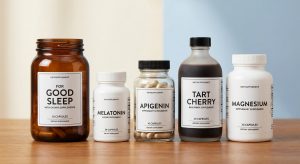
I have compiled the most comprehensive research and community feedback on supplements. Below is a ranking of compounds based on their specific sleep benefits, ordered from most effective to least effective for the general population.
For Faster Sleep Onset (The “Racing Mind”)
If you stare at the ceiling unable to switch off, these help engage the “brake pedal” of the brain.
1. Melatonin Spray: The king of timing. Best used 20 minutes before bed for rapid sleep onset or for jet lag prevention.
2. Magnesium L-Threonate: The only form that effectively crosses the blood-brain barrier to calm anxiety. [ Magnesium Glycinate VS Threonate for sleep ]
3. Apigenin: A potent chamomile extract that quiets ruminating thoughts. I also review Liposomal Apigenin for those interested in enhanced bioavailability. [ Apigenin VS Magnolia ]
4. Passionflower: Excellent for acute anxiety, though sourcing high-quality Greek raw material matters.
5. Valerian Root: A classic sedative, though it can leave some feeling groggy.
6. Kava Kava: Potent relaxation, but requires caution regarding liver health.
7. Relora: A Magnolia officinalis and Phellodendron amurense mix. Biohackers are increasingly using it as a sleep aid for maintenance insomnia. [Relora VS Ashwagandha ]
8. Lactium: A mild milk peptide hydrolysate for gentle stress relief.
9. Lavender Oil: Does this floral pill actually work for insomnia, or is it just overpriced perfume?
10. GABA: GABA is the brain’s main inhibitory neurotransmitter. Does it cross the brain barrier?
For Staying Asleep (Maintenance & Cortisol Control)
If you wake up at 3 AM or 4 AM and can’t get back to sleep, or suffer from “Tired but Wired” syndrome due to a 24h Salivary Cortisol Test showing an inverted curve.
1. Phosphatidylserine: The premier cortisol blocker. Taking this at dinner can prevent the 3 AM adrenaline spike. *** Requires careful timing. There is also a newer version of this supplement: Sharp PS Gold.
2. Pygeum Africanum: My personal favorite for reducing nighttime bathroom trips (Nocturia).
3. Ashwagandha KSM-66: Powerful for lowering baseline stress, but requires careful timing and cycling to avoid anhedonia.
4. Holy Basil (Tulsi): A gentle metabolic stabilizer that helps regulate blood sugar and mild stress.
5. Berberine: Savvy biohackers use it for a different purpose: metabolic sleep architecture.
6. Melatonin XR: Extended release can help bridge sleep cycles, though it fails for some.
7. Graminex: An alternative to Pygeum for bladder support.
8. Suan Zao Ren Zizyphus: Traditional Chinese Medicine (TCM) formula.
For Recovery & Architecture (Deep Sleep/REM Sleep)
1. L-Glycine: Taking 3g can lower core body temperature, promoting Deep Sleep (though it can be a diuretic).
2. Tart Cherry Extract: A natural source of melatonin and procyanidins for duration.
3. L-Theanine: Promotes alpha waves for relaxation without sedation.
4. Rhodiola Rosea: Morning Energy for Better Night Sleep.
5. Taurine: Calms the nervous system.
6. Saffron Extract: Emerging research suggests benefits for mood and sleep quality.
7. NAC: it regulates Glutamate, the brain’s primary excitatory neurotransmitter.
A newer version of this supplement (combined with L-Glycine) is available as GlyNAC-ET.
8. Alpha GPC: Increases REM sleep (warning: vivid dreams), better learning.
9. Reishi Mushroom: Adaptogenic support for the nervous system.
10. Myo-Inositol: In biohacking circles and sleep forums, it has gained a reputation as a tool for “smoothing out” the night.
11. L-Ornithine: May help reduce ammonia levels, aiding liver detox during sleep.
12. L-Serine: Neuroprotective, though mild for acute sleep issues.
13. Bacopa Monnieri: Good for memory, mild for sleep.
14. CBD vs CBN: Cannabinoids that help some relax, though results vary wildly.
When natural biohacking isn’t enough
I am not a doctor, but I have navigated the medical system. I provide patient-perspective guides on prescription aids used for sleep maintenance, such as Trittico (Trazodone), Hydroxyzine (Atarax), and Doxepin. I also review strong OTC options like Doxylamine, discussing tolerance risks and when they might be appropriate tools for short-term relief.
Detecting the Invisible: Apnea and UARS
If hygiene and supplements don’t work, you may have a mechanical issue. Please note: I am not a doctor. I am a patient who had to become his own researcher.
If you are struggling with nasal airflow, I compare mechanical aids like Intake Breathing vs Nasal Strips. For those who only snore on their back, I explore Positional Therapy tools to train side-sleeping.
I provide the Sleep Triage Test to help you determine if your issue is psychological or respiratory.
If you cannot get to a doctor, devices like the Wellue O2Ring combined with my guide on O2Ring Data Analysis can help you spot SpO2 & Oxygen Desaturation. I explain the critical 3% drop rule and 4% Drop Rule so you can interpret your own data.
For a more clinical look at home, I review Home Sleep Apnea Tests like the WatchPAT One, explaining how they differ from a full Polysomnography.
If you are diagnosed (by a doctor!) and require therapy, I offer user-centric reviews on CPAP machines like the ResMed AirCurve 10 VAuto for UARS treatment (BiLevel), the ResMed S11 AutoSet, the Lowenstein Prisma Smart Max, the Lowenstein Prisma 25S for UARS treatment, and travel options like the ResMed AirMini. [ AirMini vs Regular CPAP for Travel ]
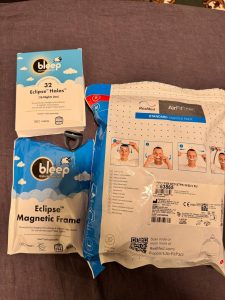
I also review interfaces (CPAP Masks), including the ResMed P10 and N30, ResMed P30i, and the ResMed N30i AirTouch (and the hack to make it work). I also look at innovative masks like the Bleep Eclipse. For those with UARS/apnea, I discuss tools like the Knightsbridge Dual Band chin strap and Mouth Taping protocols to maintain an open airway.
Night Time Comfort is about empowering you with knowledge. Whether it is a cortisol spike, a glass of wine, or a lack of magnesium, there is a reason you are awake. Let’s find it.